Sg Vape Shop Delivery: What Experienced Buyers Notice That Beginners Miss
Sg Vape Shop Delivery: What Experienced Buyers Notice That Beginners Miss
If you have been ordering vape supplies in Singapore for a while, you have probably noticed that the landscape has shifted. What used to be a simple transaction — pick a device, wait a few days, hope the parcel arrives — has become something more nuanced. Same-day courier windows, local stock verification, discreet packaging standards, and authenticity checks now shape how experienced buyers choose where to spend their money. For beginners, the learning curve is steeper than it looks, and the difference between a smooth experience and a frustrating one often comes down to understanding how Sg vape shop delivery actually works behind the scenes.
Think of this as a consultation. Imagine you are sitting across from a cautious client who wants to start ordering regularly but does not want to waste money on unreliable sellers. That client asks the questions beginners forget to ask, and the answers reveal why experienced users behave differently. Let us walk through a realistic scenario, then branch out into variations that apply to different situations.
The Scenario: A First Order That Goes Wrong
Picture a new vaper in Singapore who finds a listing online, pays via transfer, and waits. Three days pass. The tracking number does not update. When the parcel finally arrives, the packaging is bulky, the device feels counterfeit, and the flavour is off. The buyer is frustrated, out of pocket, and unsure whether to try again.
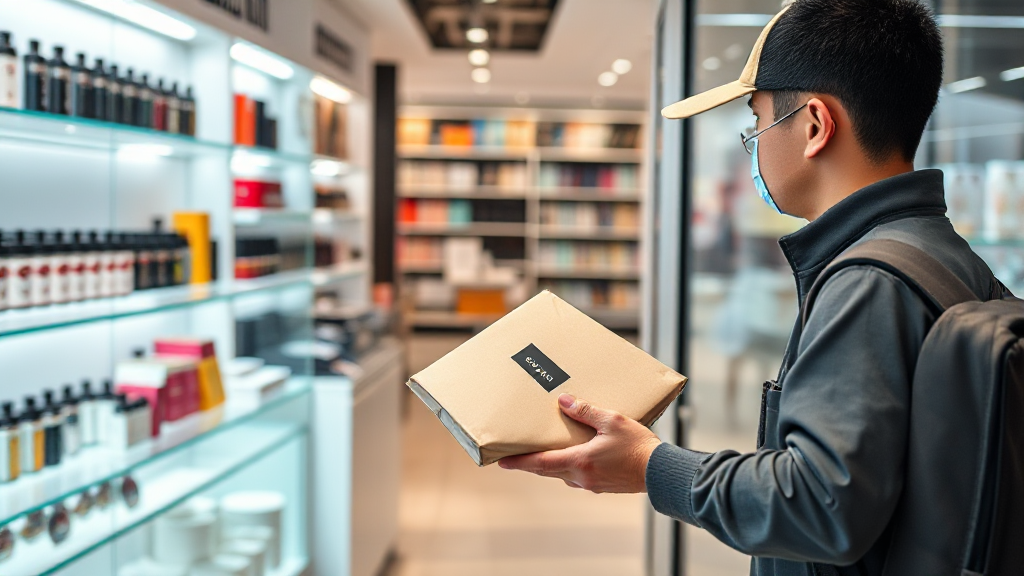
Now picture the same buyer six months later, after learning the ropes. This time, they check whether the seller holds ready local stock before ordering, confirm the delivery window is genuinely same-day rather than a vague promise, and look for signs that the packaging will be discreet. They order from a retailer such as lana vape sg, receive the parcel within hours, and open a box that looks like any ordinary delivery. The product matches the listing, the device performs as expected, and the buyer repeats the order without hesitation.
The difference between those two experiences is not luck. It is a set of habits that experienced buyers develop, and beginners can learn them faster by understanding what actually matters in the delivery process.
What Changed Recently and Why It Matters
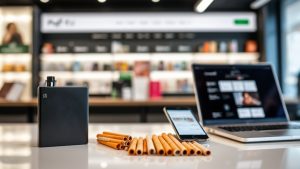
The biggest shift in recent years is that local stock has become a competitive advantage rather than a nice-to-have. Retailers who warehouse inventory in Singapore can dispatch immediately, which means the delivery window shrinks from days to hours. For buyers, this changes the entire calculation. You no longer need to plan a week ahead or keep backup devices just in case a parcel is delayed.
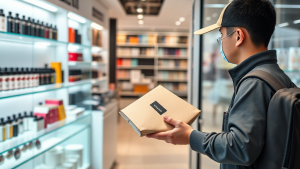
Discreet packaging has also matured. What used to mean a plain envelope now often means unbranded outer packaging, no product descriptions on the label, and a courier handoff that does not announce what is inside. Experienced buyers treat this as a baseline requirement, not a bonus. If a seller cannot confirm discreet handling, that is a signal to look elsewhere.
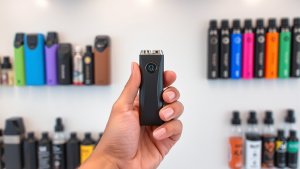
Authenticity verification has followed the same trajectory. Buyers who have been burned once tend to check whether the retailer sources directly from authorised distributors and whether the product line matches what is advertised. A retailer like Singapore lana vape typically lists specific models, including Elfbar and Elf Bar variants, which makes it easier to cross-check before ordering.
Beginner Habits Versus Experienced Habits
Beginners tend to optimise for price alone. They find the cheapest listing, order once, and judge the entire experience on that single transaction. Experienced buyers optimise for reliability, speed, and consistency. They are willing to pay a small premium for same-day delivery because the time saved and the reduced risk of a bad product outweigh the marginal cost.
Beginners also tend to ignore the delivery logistics. They do not ask whether the seller dispatches from local stock or dropships from overseas. Experienced buyers know that dropshipping introduces customs delays, longer transit times, and a higher chance of damaged or substituted products. They look for language that confirms local inventory and same-day dispatch, which is exactly what Lana vape same day delivery is built around.
Another difference is how each group handles problems. Beginners often give up after one bad order and assume the entire market is unreliable. Experienced buyers treat a bad order as information: they note which seller failed, what the failure looked like, and how the seller responded. Then they adjust their shortlist accordingly.
Variations for Different Situations
Not every buyer has the same needs, so the advice shifts depending on your situation. If you are a casual user who orders once every few months, the priority is authenticity and packaging. You want a retailer who stocks genuine devices and ships discreetly, even if the delivery takes slightly longer. If you are a regular user who goes through pods quickly, same-day delivery becomes essential, and you should prioritise sellers who hold deep local stock.
If you are ordering for the first time and feel cautious, start with a single device rather than a bulk order. This lets you verify the product, test the delivery experience, and confirm the packaging meets your expectations before committing more money. Once you are satisfied, you can move to larger orders with confidence.
If you are ordering as a gift or for someone else, discreet packaging matters even more. You want the parcel to arrive without drawing attention, and you want the product to be exactly as described so the recipient is not disappointed. In that case, look for a retailer that emphasises discreet handling as a standard practice, not an optional add-on. A service like Singapore vape delivery that treats discretion as default is usually the safer choice.
If you travel frequently or work unpredictable hours, flexible delivery windows matter. Some sellers offer narrow time slots that are hard to hit; others offer broader windows or coordinate with you before dispatch. Experienced buyers ask about this upfront because a missed delivery can mean a wasted day and a re-delivery fee.
How to Evaluate a Delivery Service Before You Commit
Start by checking whether the seller confirms local stock. This is the single strongest predictor of fast delivery. If the listing says “ships from overseas” or gives a vague timeline, expect delays. If it says “ready stock” or “same-day dispatch,” you are in better hands.
Next, look at how the seller describes packaging. Discreet packaging should be standard, not a premium option. If the seller does not mention it at all, ask before ordering. A reputable retailer will answer clearly and may even show examples of how parcels are prepared.
Then, check the product line. Specific model names, such as Elf Bar S1 15000 or Elf Bar Ice King Pro 45k, suggest the seller actually stocks what they advertise. Generic descriptions with no model details are a warning sign.
Finally, test the communication. Send a question before ordering and see how quickly and clearly the seller responds. If they are slow or evasive before they have your money, they are unlikely to improve after. A responsive seller who answers directly is usually a reliable one. You can see this in practice with Vape delivery sg, where clear communication and local stock go hand in hand.
What to Do When Something Goes Wrong
Even with a good seller, problems happen. A parcel may be delayed, a device may arrive faulty, or the wrong flavour may be sent. The key is to document everything: keep the order confirmation, take photos of the packaging and product, and contact the seller immediately. Most reputable retailers will resolve issues quickly because their reputation depends on it.
If the seller does not respond or refuses to help, that is a signal to move on. Experienced buyers keep a short list of trusted sellers and rotate through them based on availability and speed. They do not rely on a single source, and they do not chase the cheapest option at the expense of reliability.
The broader lesson is that delivery is not just a logistics step. It is part of the product experience. A fast, discreet, accurate delivery makes the entire purchase feel seamless. A slow, careless one ruins it, no matter how good the device is. Once you internalise that, you stop thinking of delivery as an afterthought and start treating it as a core criterion in every order.
For beginners, the fastest way to close the gap is to borrow the habits of experienced buyers: verify local stock, insist on discreet packaging, check model specifics, test communication, and keep a trusted shortlist. Do that, and the frustrating first-order scenario becomes the exception rather than the norm.